GOVERNMENT - CKD SCHEMES
Government has set up dialysis under the Pradhan Mantri National Dialysis Program (PMNDP)
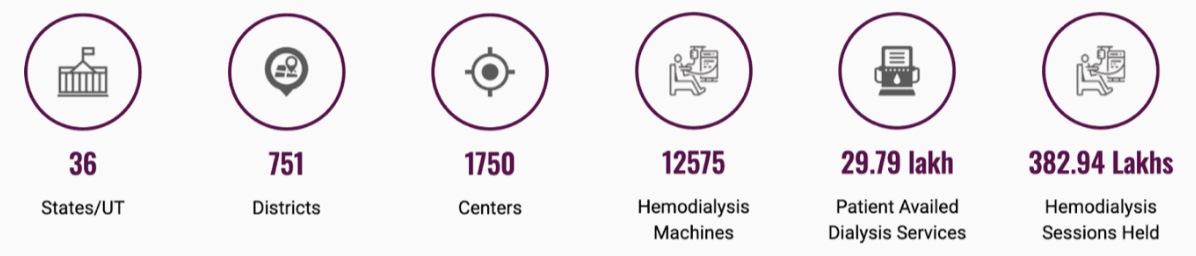
Information as on 31st October 2025
For individual state/ district-wise information please visit: https://pmndp.mohfw.gov.in/en
In 2016, the Pradhan Mantri National Dialysis Programme (PMNDP) was rolled out as part of the National Health Mission (NHM) to provide free dialysis services to the poor. The programme consists of two components: Hemodialysis (HD) services and Peritoneal Dialysis (PD) services.
The National Health Mission supports the establishment of dialysis centres (in-house and public-private partnership/hybrid models) for HD service delivery as per the requirements of the respective State/UT. Hemodialysis services under PMNDP are operational in Public-Private Partnership (PPP) mode in 14 States/UTs, in-house mode in 16 States/UTs, and hybrid mode in 6 States/UTs.
The PMNDP portal (IT platform), launched on 05 May 2022, integrates all dialysis centres operational in the State under NHM and facilitates the creation of a renal registry. It also ensures portability within the State (One State–One Dialysis) and subsequently across the country (One Nation–One Dialysis).
ABHA (Ayushman Bharat Health Account) provides a unique identifier (self-declared username) that enables digital access to an individual’s health records.
Benefits of ABHA Health ID card
Creates a unique and trustworthy identity, enabling access to different healthcare providers within the healthcare ecosystem.
Beneficial as the ABHA number is linked to all healthcare services, ranging from public health programmes to insurance schemes.
Provides quick and time-saving access, allowing individuals to avoid long registration queues at healthcare facilities across the country.
Ensures easy and seamless sign-up for PHR (Personal Health Records) applications, such as the ABDM ABHA application for health data sharing.
The ABHA will be operational with all above mentioned possibilities only with the individual’s informed consent.
Link for creating ABHA-ID - https://healthid.ndhm.gov.in/
Health Facility Registry (HFR)
The National Health Mission aligned the concept of ‘One Nation-One Service’ to design the One
Nation-One Dialysis programme to provide dialysis services to needy patients anywhere in the
country. The patient can take dialysis service in any dialysis centre across the country depending
on the availability of free slots.
Key Features of PMNDP portal:
Dialysis machine utilisation tracking
Creation of ABHA ID and linkage with Health Facility Registry (HFR) ID
Interlinking with the State Portal
Scheduling of dialysis sessions with slot management feature
Creation of a Renal Registry
The Health Facility Registry (HFR) is a comprehensive repository of health facilities across the country, covering both modern and traditional systems of medicine.
It includes public and private health facilities such as hospitals, clinics, diagnostic laboratories, imaging centres, pharmacies, and other healthcare establishments.
Registration enables health facilities to connect with India’s digital health ecosystem and be listed on a national platform.
This enhances trust among citizens seeking healthcare services by improving the discoverability of health facilities.
Registered health facilities gain access to a range of digital health services.
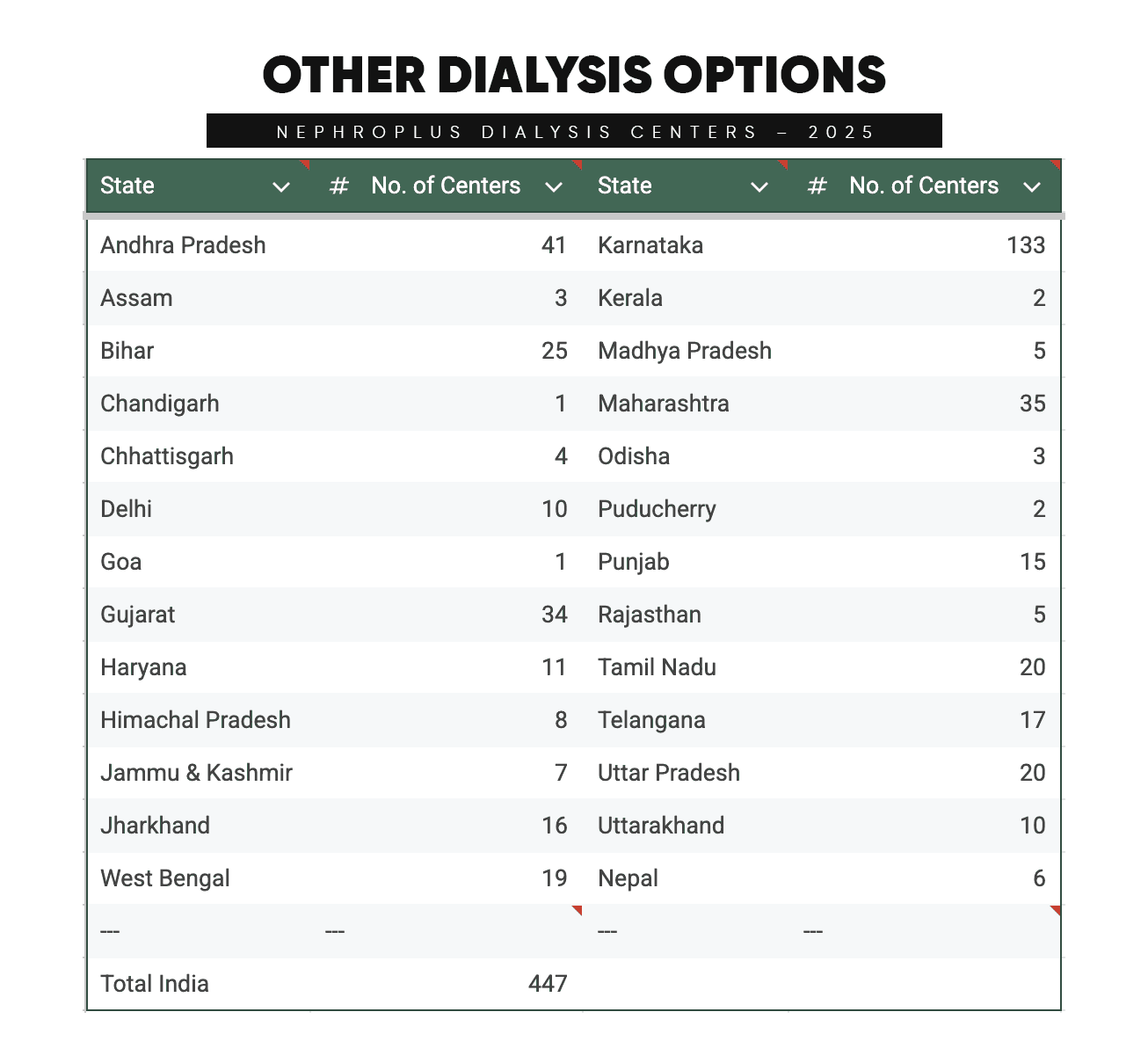
Bangalore Kidney Foundation (BKF) -since 1979 supports comprehensive renal care for patients from vulnerable backgrounds depending on daily wages for survival. They have 85 machines at centres. BKF supports dialysis for 330 patients and extends its support to about 25 rural centers supporting a total of 250 patients. 50,000 dialysis done annually.
Tanker Foundation, Tamil Nadu - since 1993 has provided 7,98,016 free and subsidized dialysis for 3119 patients. Fourteen subsidized dialysis units have a total of 250 Dialysis Machines.
Apex Kidney Care
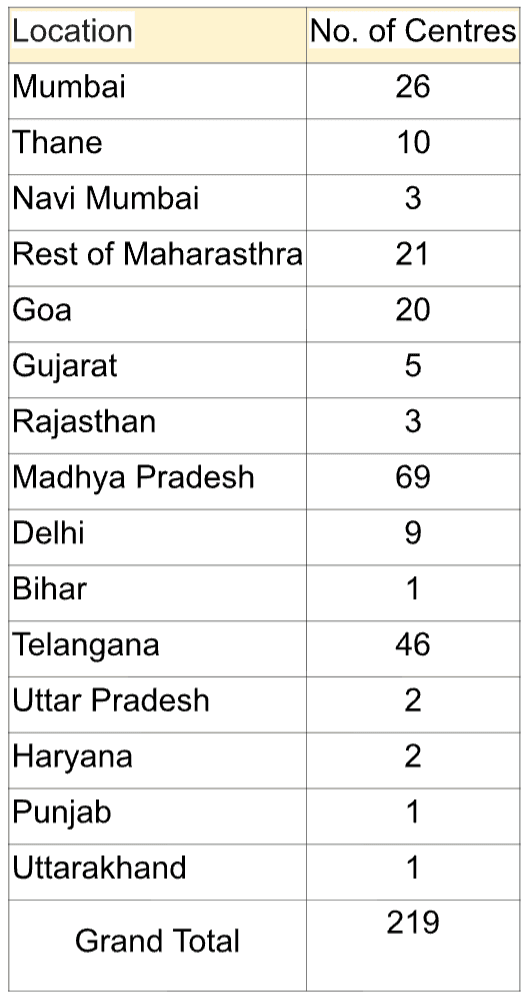
AKC offers nephrology services in over 219 centres across 12 states in India to treat over 1 lakh patients. More than thirty lac dialysis treatments have been till date. The organisation runs multiple standalone centres and partners with multiple state governments and municipal corporations in a private-public-partnership model with an enviable presence in several states, including Maharashtra, Goa, Madhya Pradesh, Delhi, Rajasthan, Gujarat, Bihar and Telangana. More than 1300 professionals serve these centers with 45% staff being women.
Total States: 12
Total Centres: 219
Bangalore Kidney Foundation (BKF) -since 1979 supports comprehensive renal care for patients from vulnerable backgrounds depending on daily wages for survival. They have 85 machines at centres. BKF supports dialysis for 330 patients and extends its support to about 25 rural centers supporting a total of 250 patients. 50,000 dialysis done annually.
Tanker Foundation, Tamil Nadu - since 1993 has provided 7,98,016 free and subsidized dialysis for 3119 patients. Fourteen subsidized dialysis units have a total of 250 Dialysis Machines.
Apex Kidney Care
AKC offers nephrology services in over 219 centres across 12 states in India to treat over 1 lakh patients. More than thirty lac dialysis treatments have been till date. The organisation runs multiple standalone centres and partners with multiple state governments and municipal corporations in a private-public-partnership model with an enviable presence in several states, including Maharashtra, Goa, Madhya Pradesh, Delhi, Rajasthan, Gujarat, Bihar and Telangana. More than 1300 professionals serve these centers with 45% staff being women.
Total States: 12
Total Centres: 219
Dialysis is provided free/subsidised in Charitable Trust and Government run Centers.
Gurdwara Bala Sahib Hospital in Delhi has a kidney dialysis center that provides free dialysis treatment and meals to all patients, regardless of their background.
Larsen & Tubro Centers
L&T's Health and Kidney Dialysis Centre for the underprivileged in five cities (Mumbai, Thane, Vadodara, Surat and Chennai) provide haemodialysis procedures at heavily subsidised rates depending on the patient's financial background. Being a day-care facility, all services are provided between 9 a.m. and 5 p.m.
CSR Dialysis Projects
• Indian Oil Corporation Ltd. (IOCL): Collaborated with State Health Departments in several states to provide 148 hemodialysis machines, impacting over 50,000 patients annually.
• Gujarat Gas Ltd. (GGL): Provided financial assistance to the Institute of Kidney Diseases and Research Centre (IKDRC) for installing 98 dialysis machines across Gujarat, which served around 24,000 beneficiaries in a single year.
• ICICI Foundation: Announced a donation of over 100 state-of-the-art dialysis machines to government hospitals to improve access in areas with low machine availability.
• SBI Life Insurance: Provided kidney dialysis machines to a government hospital to ensure continuous medical services for the underprivileged, as noted on CSRBOX.
Become an Organ Donor:
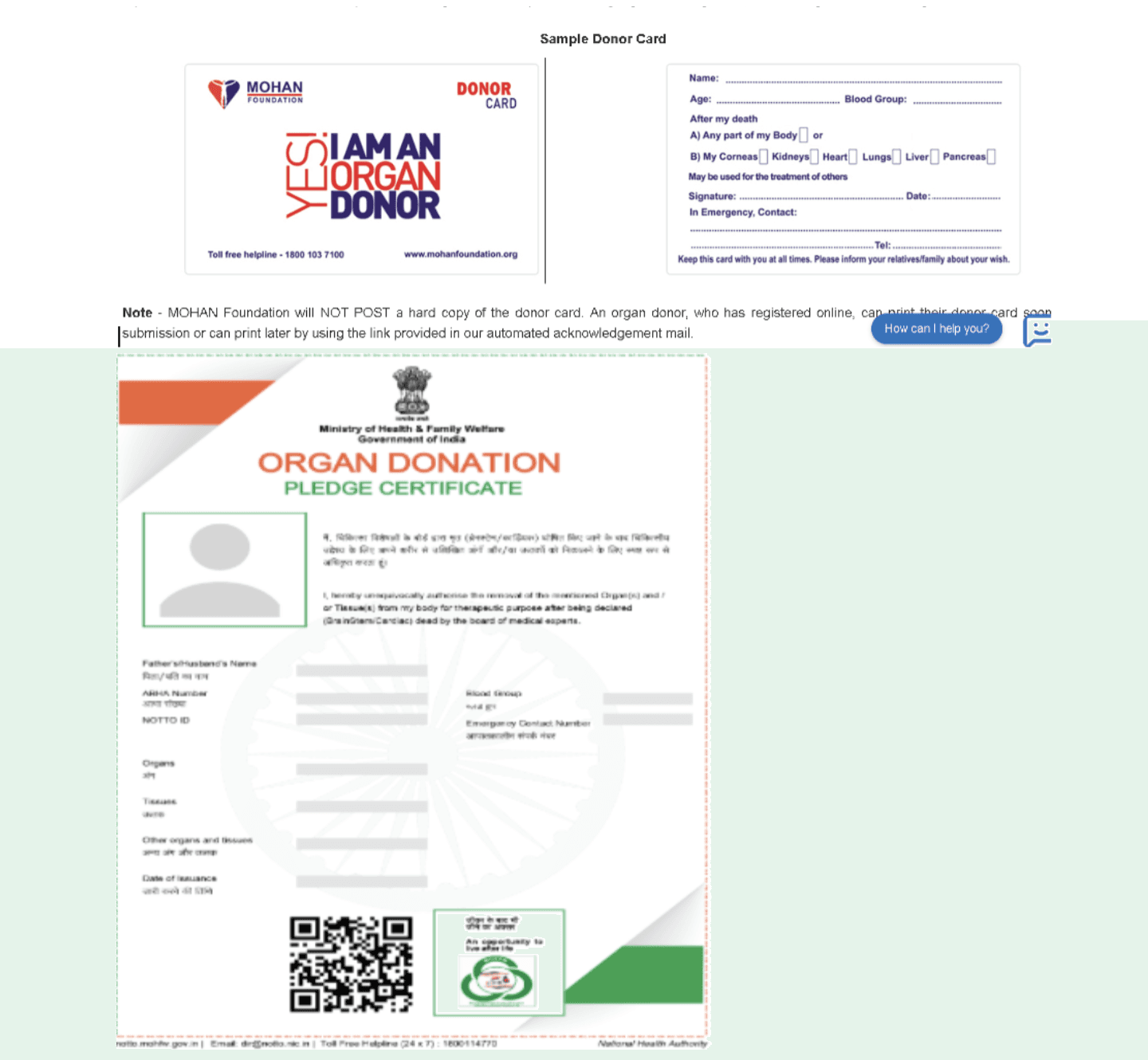
Your donor card will look like this
Sign up for a donor card with NOTTO or MOHAN FOUNDATION and indicate the organs that you wish to donate.
Next Steps after Registering as Organ Donor:
Family discussions are essential as they honour our wish when we are no more. Donor card is not legally binding but helps guide families on where to contact.
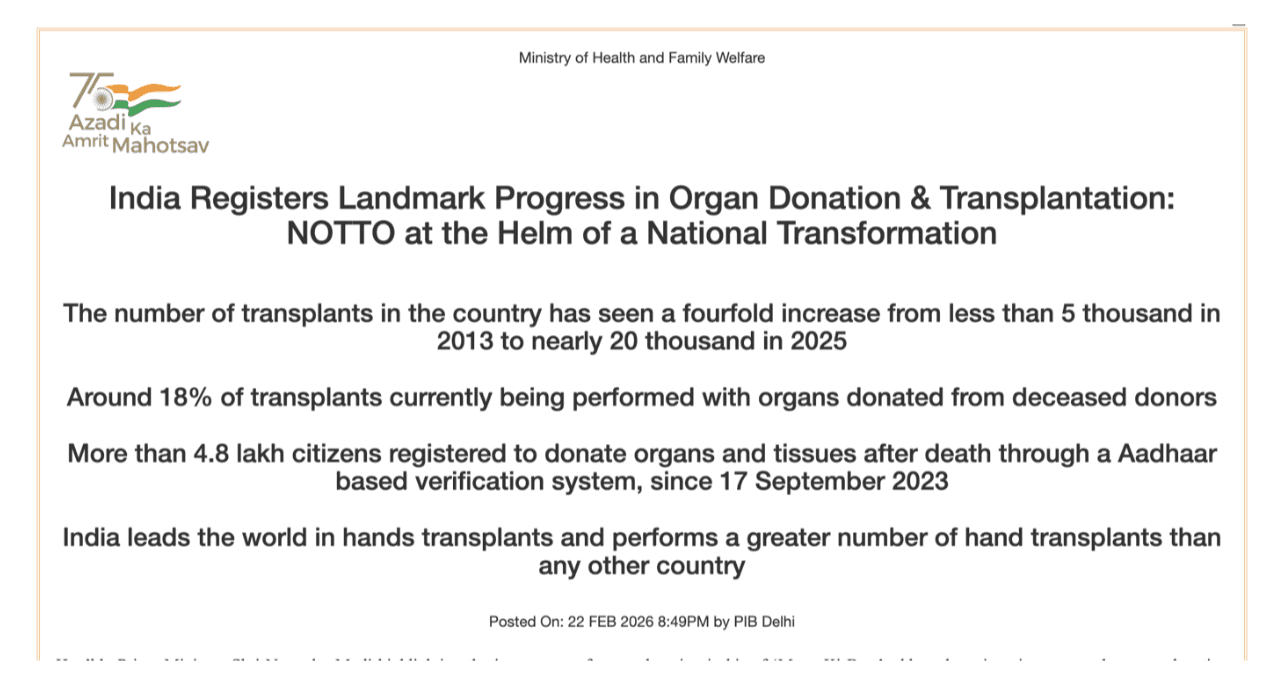
Statistics from the Indian Transplant Registry (a non-governmental initiative by the Indian Society of Organ Transplantation) say that out of the 21,395 kidneys transplanted in India between 1971 and 2015, only 783 were from cadaver or deceased donors.
A lack of awareness and understanding is one of the primary barriers to organ donation in India. In 2023, with approximately 200,000 people in India awaiting organ transplantation, only 13,426 organ donations occurred. Of these, 11,791 were living donors, and only 1,635 were deceased donors. This points to a significant gap that needs to be bridged.
Increasing awareness about organ donation is essential to address this huge disparity and save thousands of lives. The goal must be to motivate and inspire every person to pledge his/her organs for donation.
By becoming an organ donor, one can leave behind a legacy of hope for a new beginning to a person in desperate need.
Join Us in Supporting Kidney Warriors
Join Us in Supporting Kidney Warriors